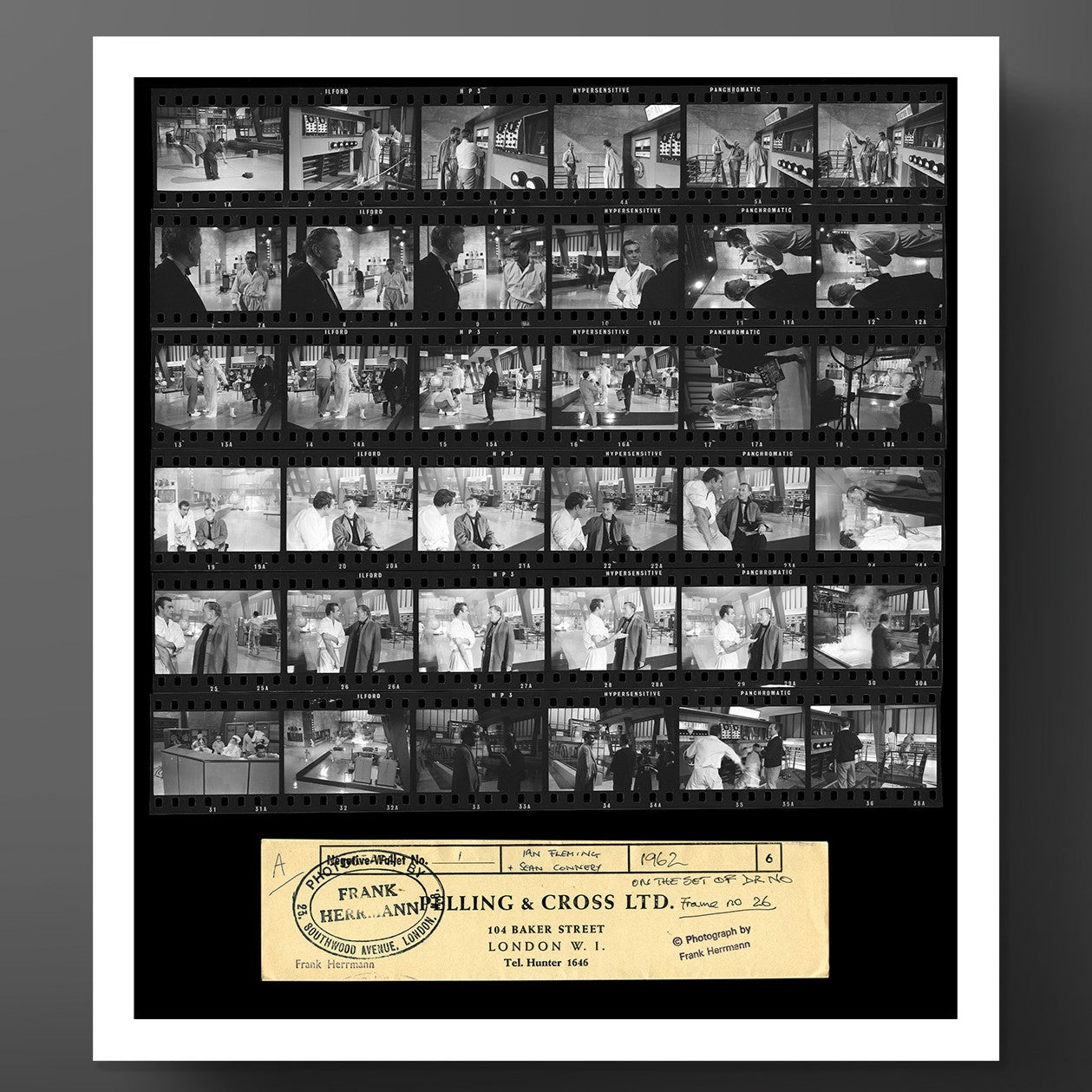
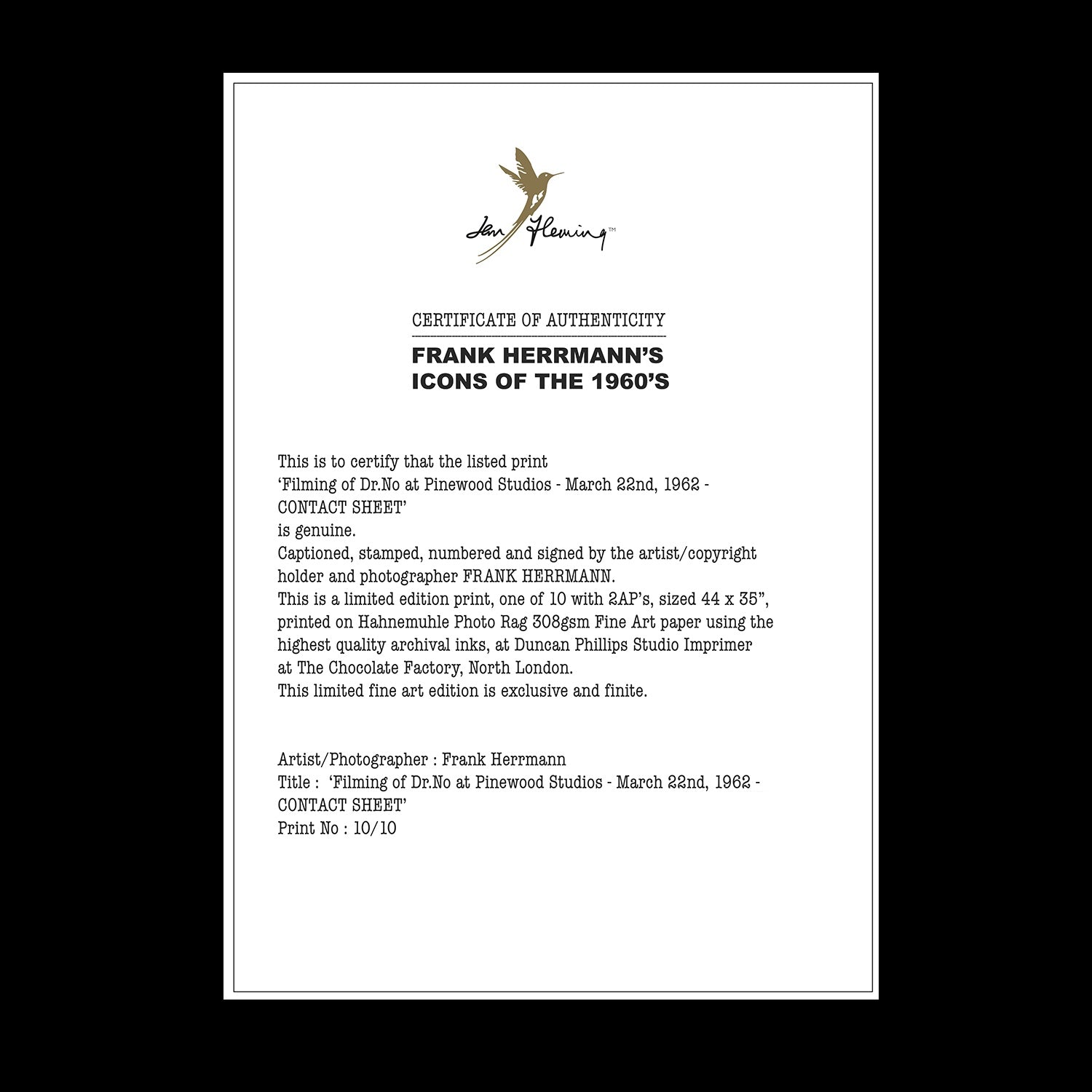
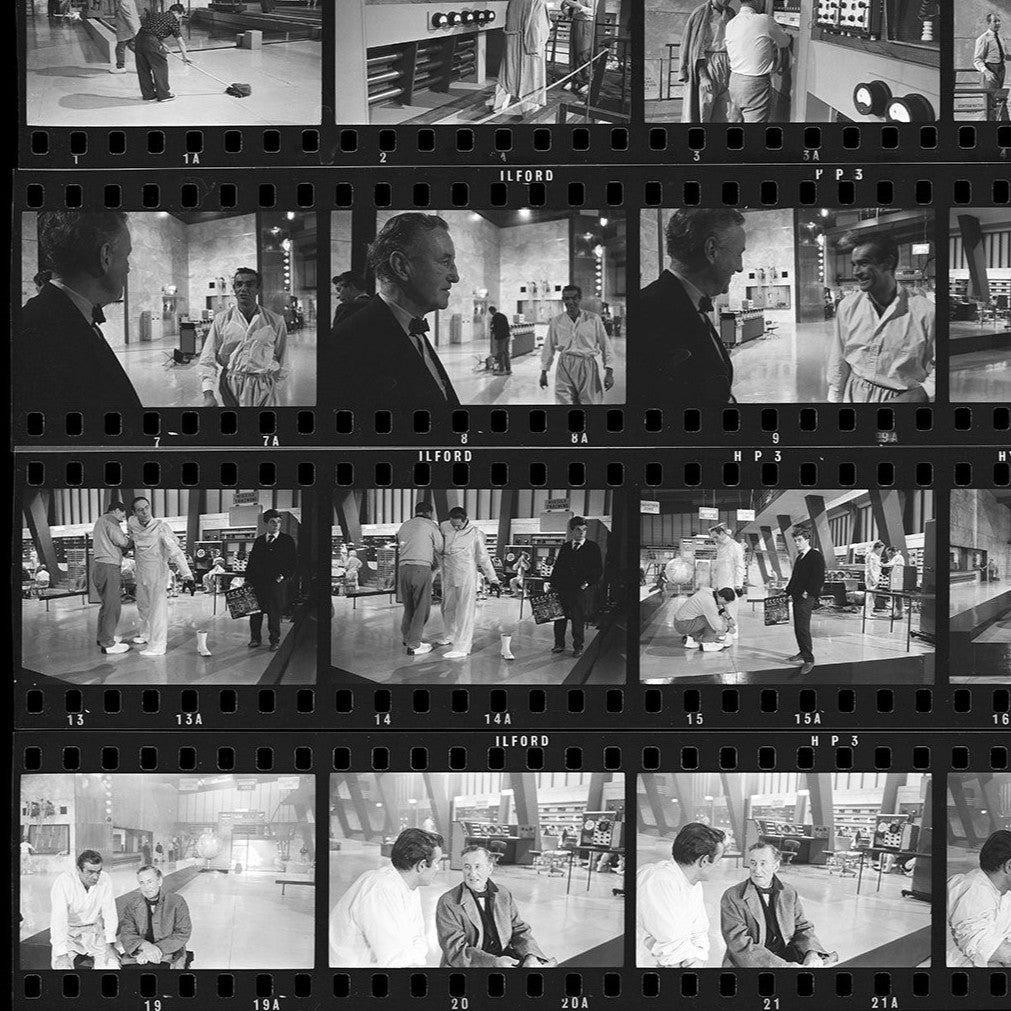
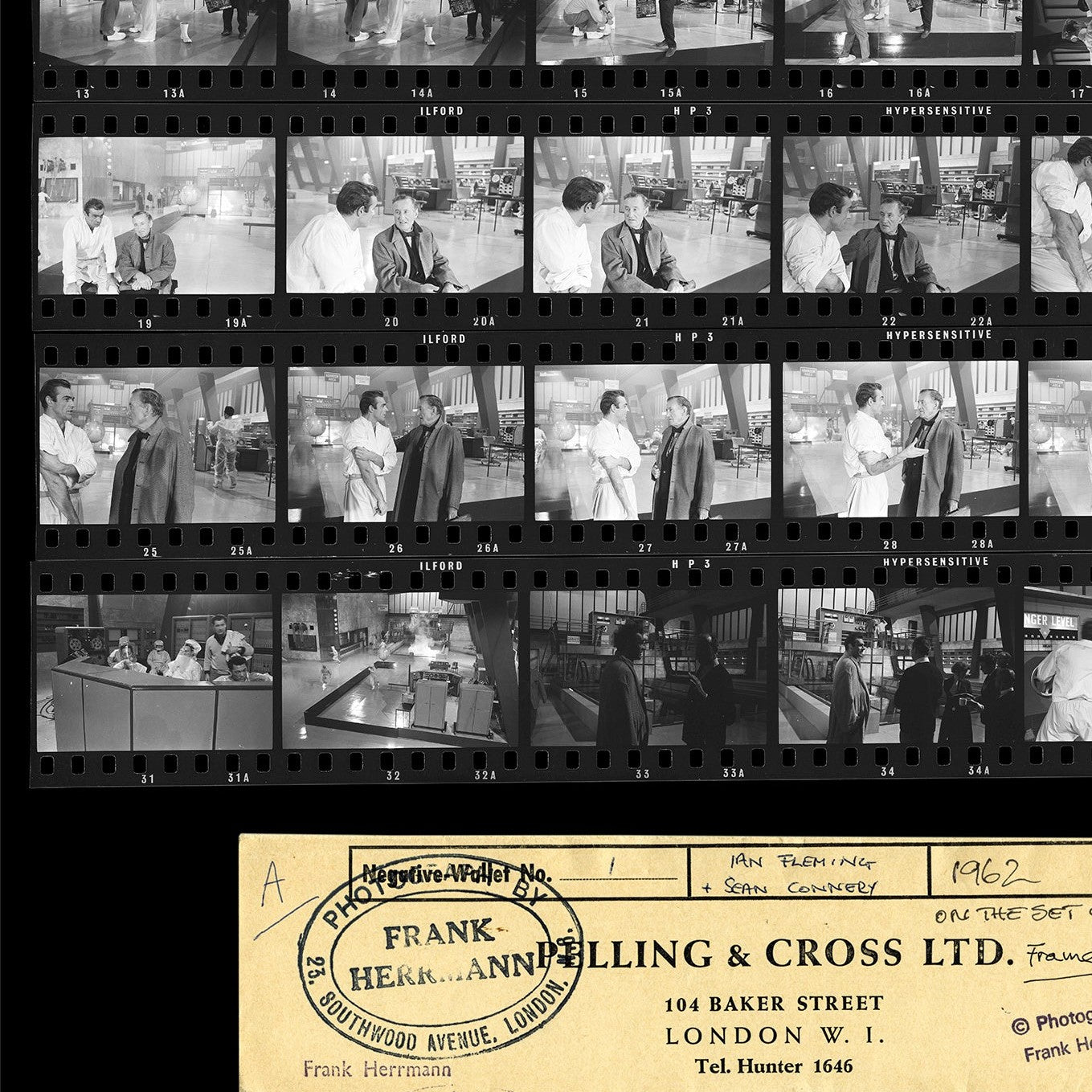
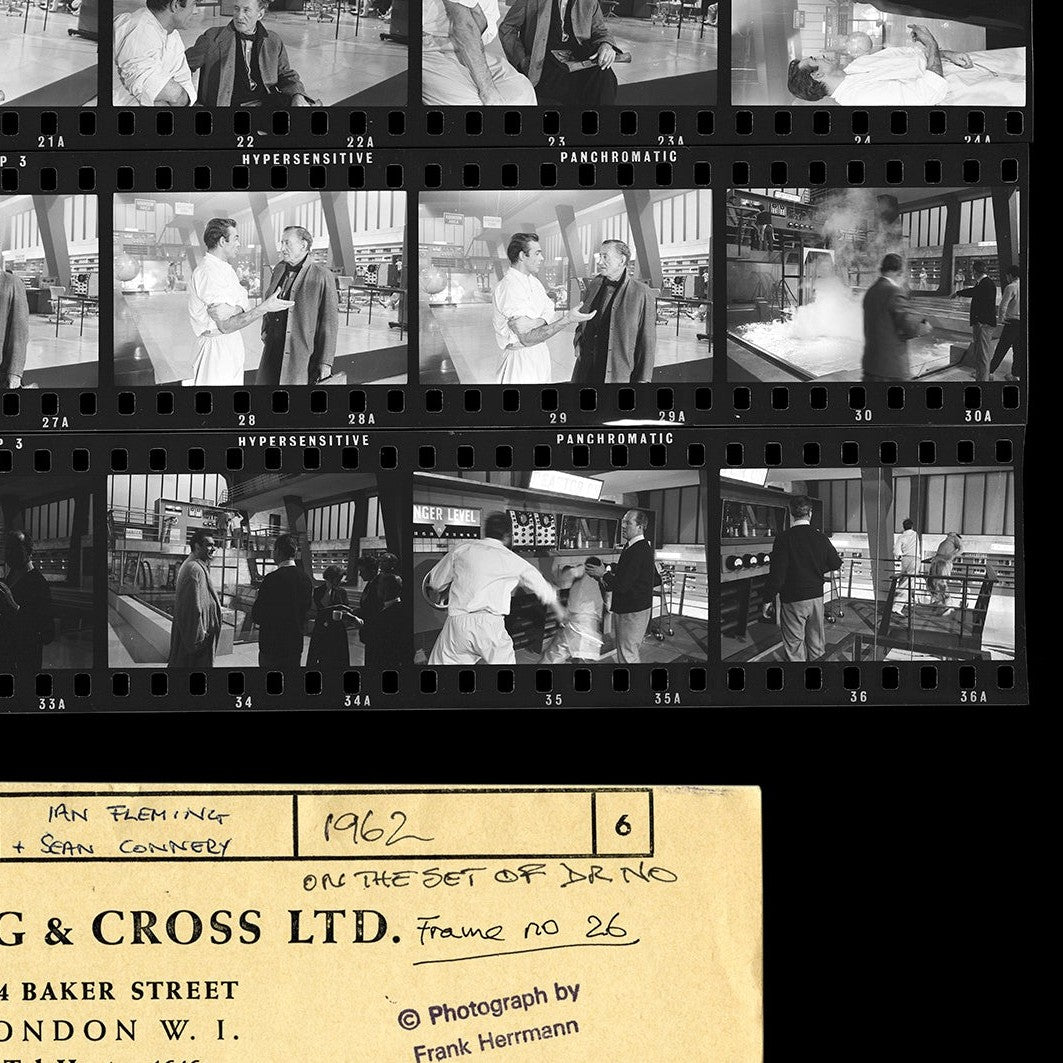
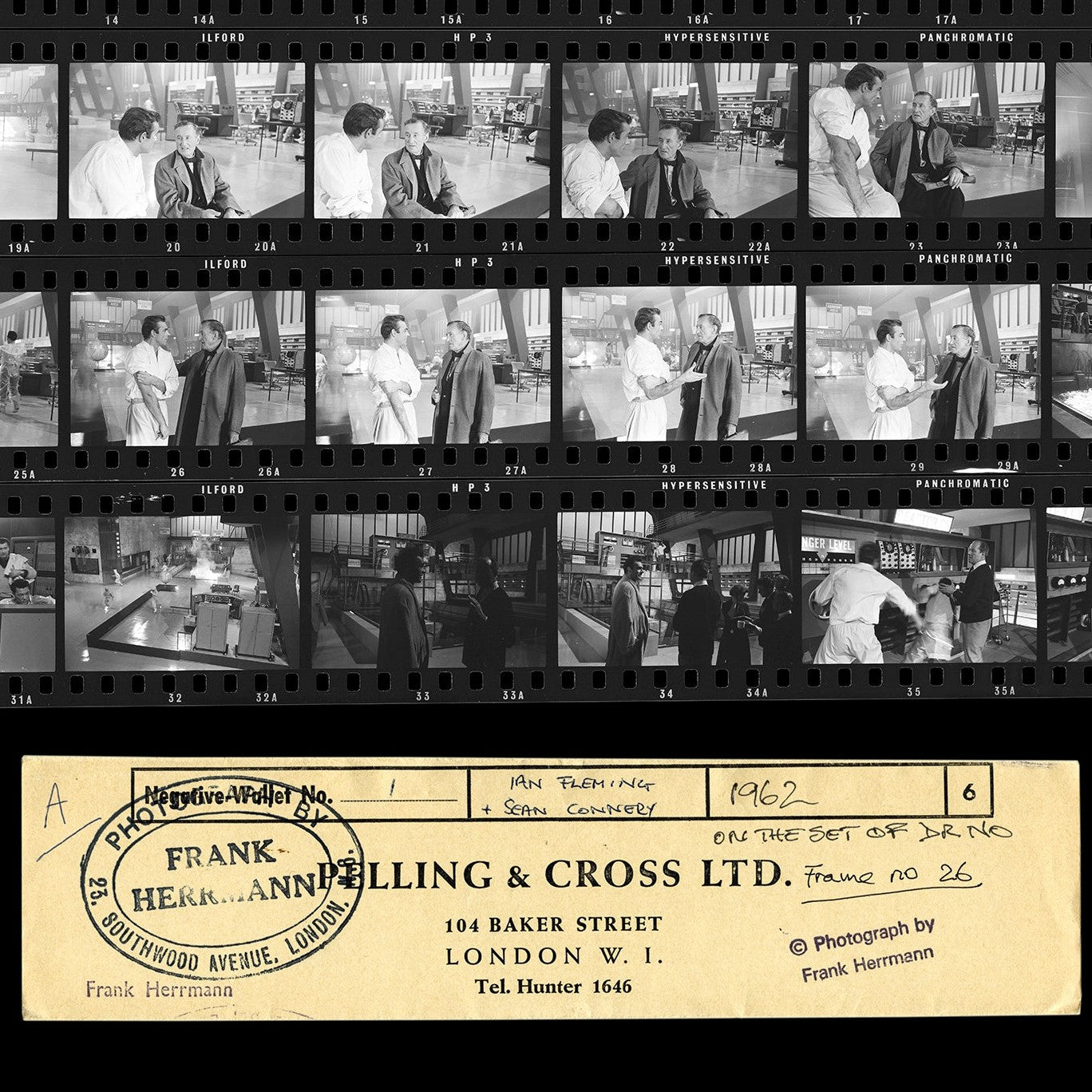
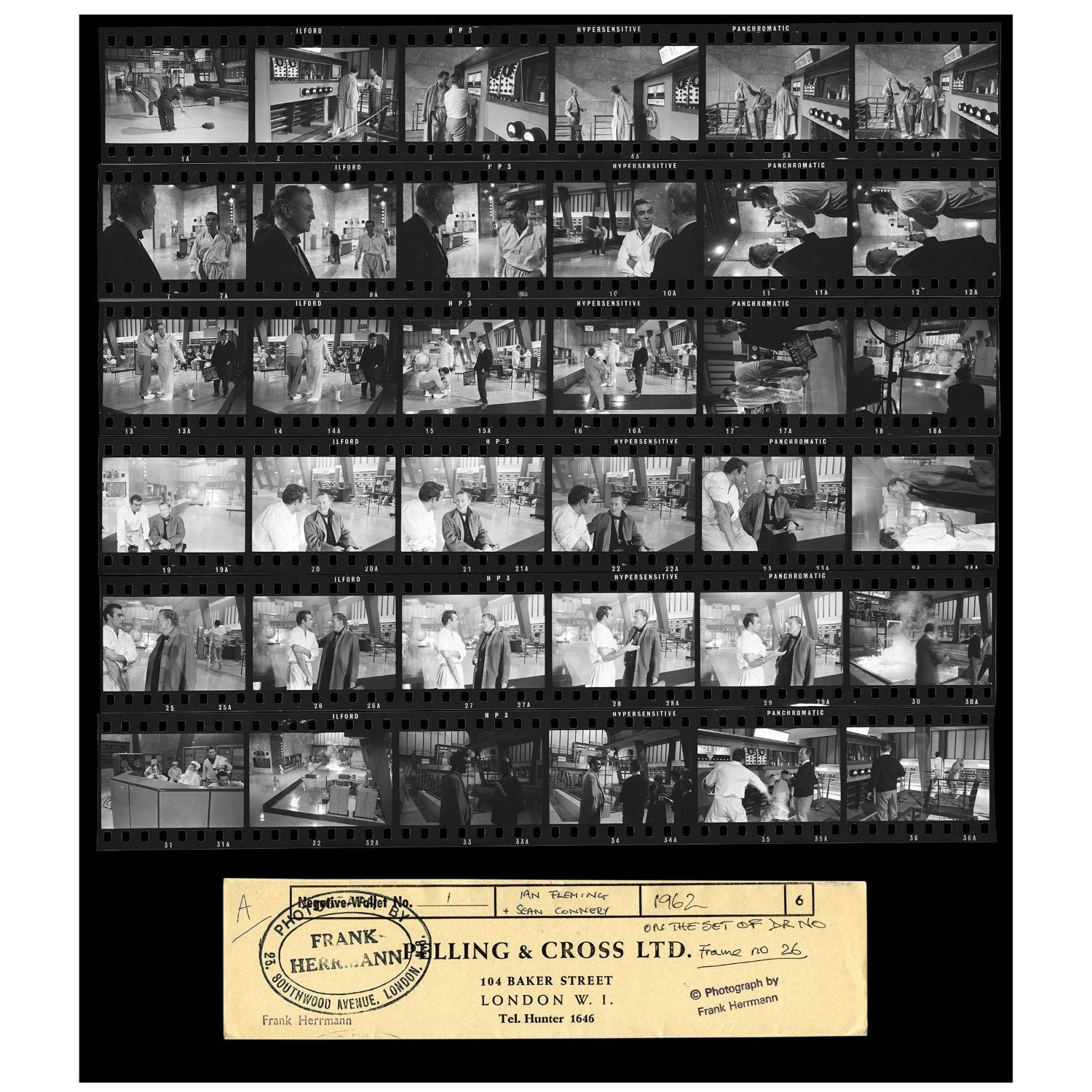
Part of a limited collector's series of 10, this is number 10/10 - the last signed contact sheet available.
International delivery. Be aware that you may incur additional customs duties and taxes if ordering to an address outside of the UK. These are not included in the price shown and are your responsibility to pay. In many cases, the courier service will contact you to pay before delivery can be completed. Consider this before ordering.
Introducing a true piece of James Bond history: the day the 007 creator visited Pinewood Studios for the filming of the first cinematic Bond adventure. The Ian Fleming On The Dr. No Set Photographic Contact Sheet - by Frank Herrmann - Signed & Numbered Edition documents his exploration of the set and his meeting with Sean Connery and other members of cast and crew.
22nd March 1962. The Sunday Times photographer Frank Herrmann is deployed to the Pinewood Studios set of Dr. No's Crab Key underground facility, designed by Sir Ken Adam. Correspondent for The Sunday Times until 1962, Ian Fleming tips off the paper about his visit to the studios, ensuring they have the exclusive on this historic meeting
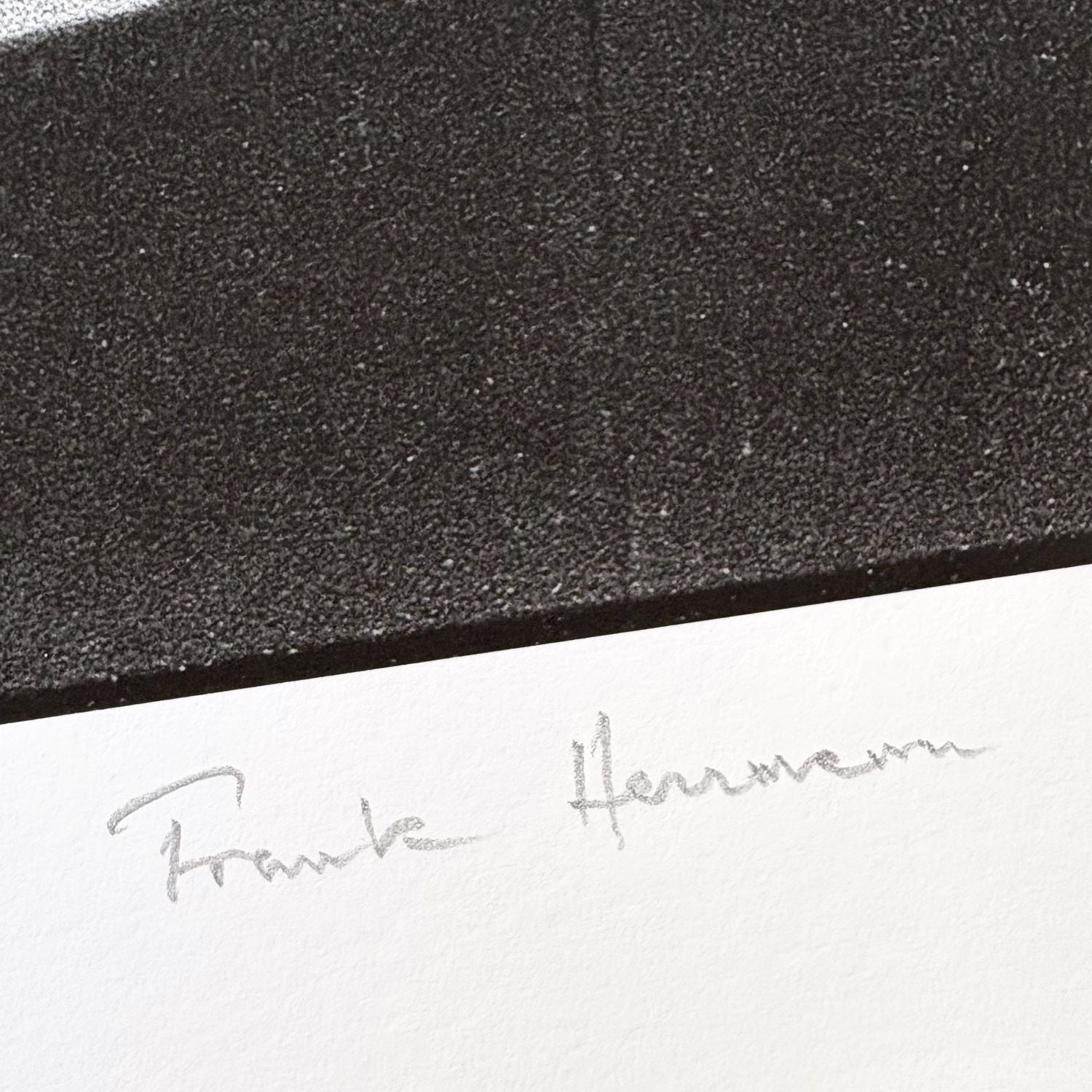
Facts. This is an unframed archival pigment print, embossed with Frank Herrmann's photographer's stamp, numbered and signed by the photographer in pencil on the lower right margin. Printed on Hahnemühle Photo Rag 308gsm fine art paper, specially designed for fine art applications. Acid- and lignin-free, it meets the most exacting requirements for age resistance.
Size. Paper size H44", WH35", image size H35", W30.5"
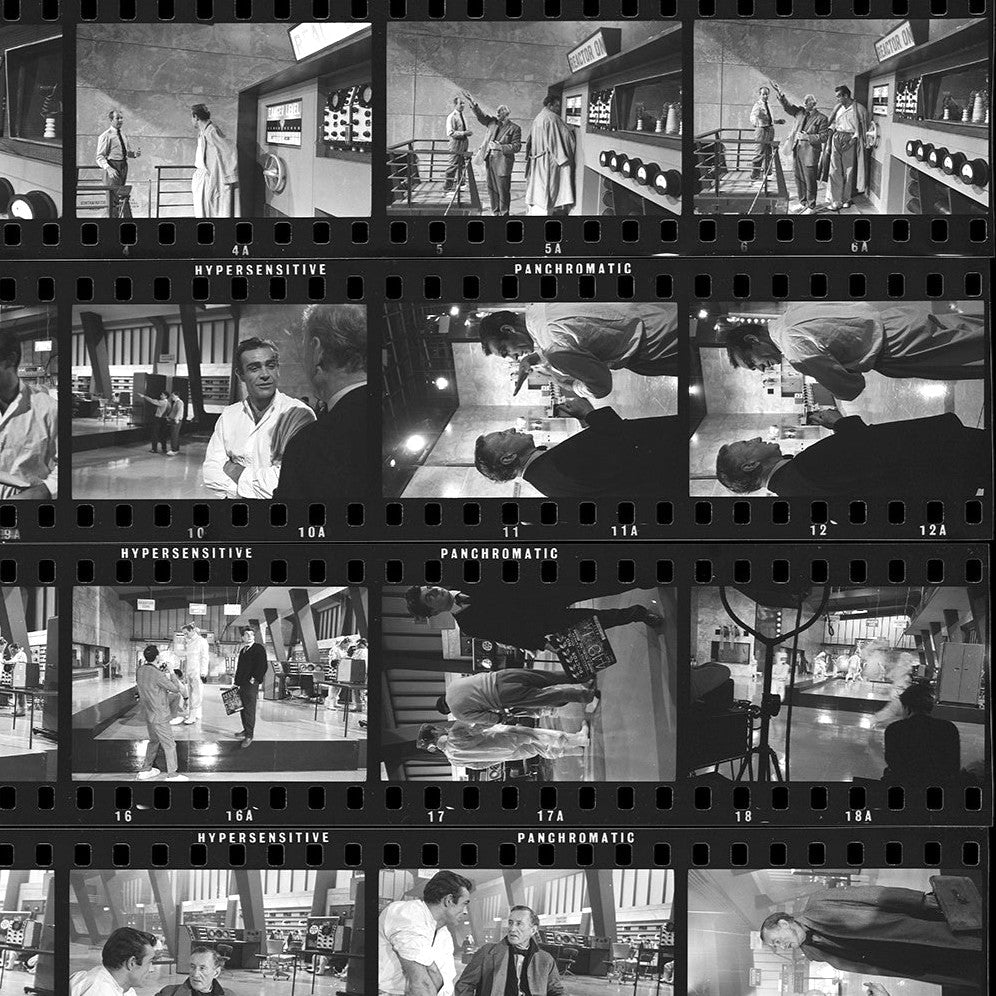
When cameras used only film, a roll of 36 would be processed to produce a strip of negatives. The long roll of negatives was then cut into strips of six, usually with five or six frames on each strip. These strips were then laid carefully onto a sheet of photographic paper in the darkroom and exposed to light. The paper would be developed, fixed and dried to produce a set of 'positive' images on a sheet of photographic paper, known as a 'contact sheet' for photographers and picture editors to then select the best frames. Negatives were then stored in wallets with transparent sleeves of tissue with a cover made of paper where the photographer would write details to identify the work. These fitted neatly into filing cabinets for safe and easy storage.
Made by. Frank Herrmann is widely regarded as one of the outstanding photojournalists of the latter part of the twentieth century, with an illustrious 30 year career at The Sunday Times. His work is held in many private collections and the National Portrait Gallery has recently purchased his work for their permanent collection. ©Frank Herrmann.
